
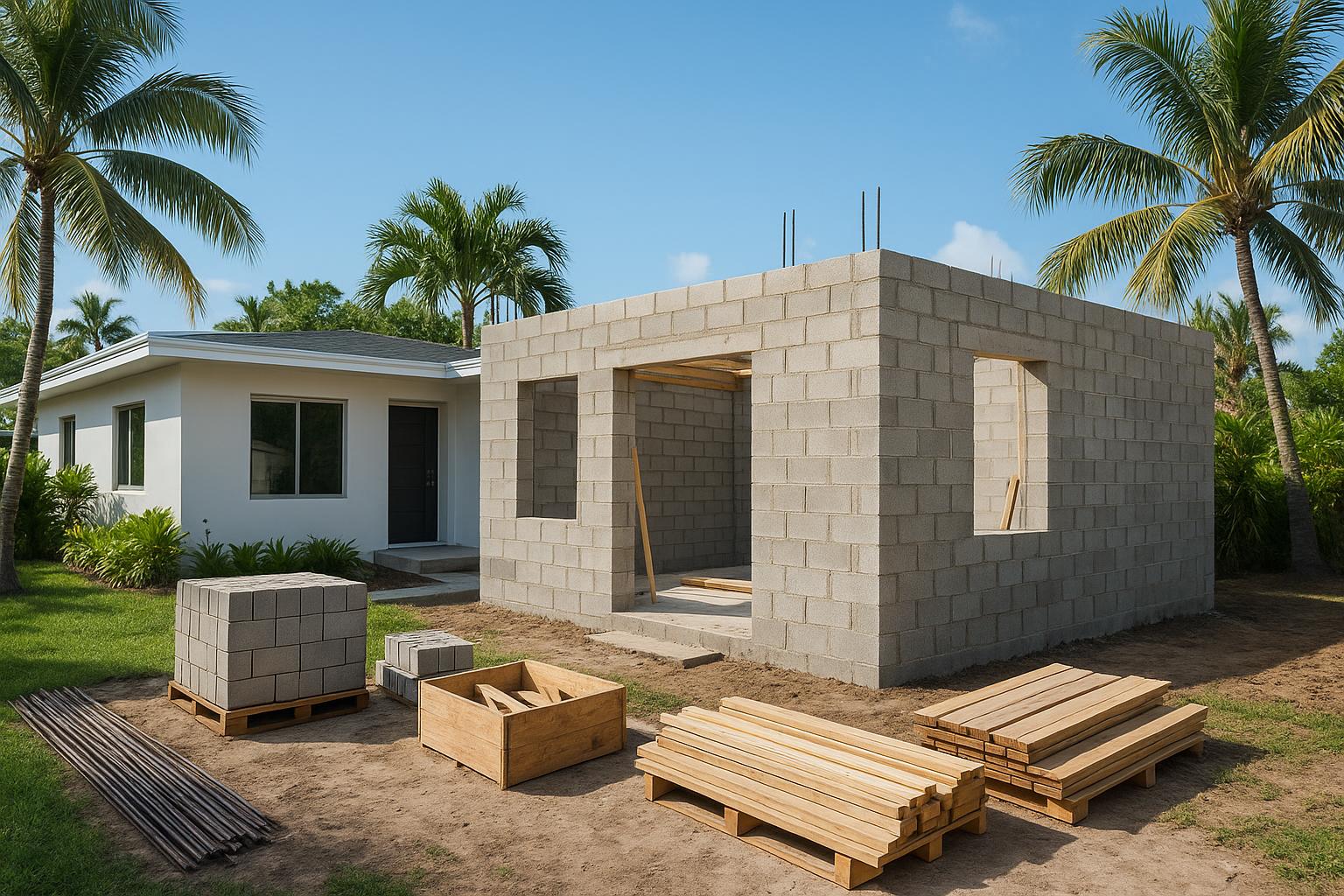
Why Miami Homeowners Are Adding Rooms Instead of Moving
Miami's real estate market has been intensely competitive for years. Between rising home prices and limited inventory in neighborhoods like Coral Gables, Kendall, and Doral, many homeowners are choosing to expand their current homes rather than deal with the stress and expense of relocating. A well-planned room addition can give you the extra space you need while increasing your property value — but only if you approach the project with a clear plan.
Whether you need an extra bedroom for a growing family, a home office for remote work, or a mother-in-law suite, room additions are one of the most impactful remodeling investments you can make. The key is understanding what goes into the process before construction begins. Here is a step-by-step breakdown of how to plan a room addition in Miami without running into costly surprises.
Step 1: Define Your Goals and Budget Early
Before you contact a contractor or sketch out floor plans, sit down and clarify exactly what you need. Ask yourself these questions:
- What will this new room be used for?
- How many square feet do I realistically need?
- Does this room need plumbing, such as a bathroom or kitchenette?
- What is my maximum budget, including a contingency fund?
Room additions in South Florida can range widely in cost depending on the size, complexity, and finishes involved. A basic bedroom addition will cost significantly less than a suite with a full bathroom. Setting a realistic budget from the start — and including a 10 to 15 percent contingency for unexpected expenses — will save you from sticker shock later in the project.
Step 2: Understand Miami-Dade County Permits and Zoning
One of the biggest areas where homeowners get caught off guard is permitting. In Miami-Dade County, virtually every room addition requires a building permit. Depending on your property's zoning classification, there may also be restrictions on how close you can build to your property line, how much of your lot can be covered by structures, and how tall the addition can be.
Here are some common permit and zoning considerations for Miami room additions:
- Setback requirements: Your addition must maintain a minimum distance from property boundaries.
- Lot coverage limits: There is a maximum percentage of your lot that can be occupied by buildings.
- Flood zone regulations: Many areas of Miami fall within FEMA flood zones, which may affect foundation requirements and elevation standards.
- HOA restrictions: If you live in a community with a homeowners association, you may need architectural approval before applying for permits.
Working with a licensed contractor who has experience navigating the Miami-Dade permitting process is essential. Skipping permits or building without approval can result in fines, forced demolition, and serious complications when you try to sell your home.
Step 3: Hire the Right Contractor
Choosing the right remodeling contractor is arguably the most important decision you will make during this project. A qualified contractor will not only handle the physical construction but will also help you with design feasibility, permit applications, and material selection.
When evaluating contractors for your room addition, look for the following:
- Proper licensing and insurance: In Florida, general contractors must hold a state-issued license. Verify this through the Florida Department of Business and Professional Regulation.
- Local experience: A contractor who regularly works in Miami understands the unique challenges of building here, from hurricane code requirements to soil conditions.
- Transparent estimates: Get detailed written estimates that break down labor, materials, permits, and any other costs. Avoid contractors who give vague or verbal-only quotes.
- References and past work: Ask for references from recent room addition projects and take the time to review their portfolio.
At Palisade Building Contractors, we walk our clients through every phase of the room addition process, from initial design consultation to final inspection. Our team handles permitting, structural engineering coordination, and construction management so homeowners can focus on the exciting part — watching their home transform.
Step 4: Design for Miami's Climate and Building Codes
Building in Miami means designing for heat, humidity, heavy rain, and hurricanes. Your room addition needs to meet the Florida Building Code, which includes some of the strictest wind-resistance standards in the country. This is not just a legal requirement — it is a practical necessity that protects your family and your investment.
Key design considerations for Miami room additions include:
- Impact-resistant windows and doors: Required in Miami-Dade County's High-Velocity Hurricane Zone.
- Proper insulation and ventilation: Essential for energy efficiency in our subtropical climate.
- Moisture-resistant materials: Choosing the right drywall, flooring, and exterior finishes helps prevent mold and water damage.
- Roof tie-downs and structural reinforcements: Your addition's roof must be engineered to withstand hurricane-force winds.
A well-designed room addition should feel like a seamless extension of your existing home, not an afterthought. This means matching rooflines, exterior finishes, and interior details so the new space blends naturally with the original structure.
Step 5: Plan for the Construction Timeline
Room additions are not weekend projects. Depending on the scope of work, you should expect the process to take anywhere from two to six months from permit approval to final completion. Factors that affect the timeline include:
- The size and complexity of the addition
- Permit review and approval times in Miami-Dade County
- Weather delays, which are common during Miami's rainy season from June through October
- Availability of materials and subcontractors
A realistic timeline set at the beginning of the project helps manage expectations. Your contractor should provide a detailed construction schedule and keep you updated on progress throughout the build.
Step 6: Think About Long-Term Value
A room addition is a significant investment, so it is worth thinking about how it will affect your home's resale value. In general, additions that add functional living space — such as bedrooms, bathrooms, and family rooms — offer the best return. Additions that are well-integrated with the existing home and built to code will also appraise higher than those that look or feel tacked on.
If you are planning to stay in your home for many years, prioritize the features that will improve your daily life. If resale is on the horizon, consult with your contractor about which design choices will appeal to future buyers in the Miami market.
Ready to Expand Your Miami Home?
A room addition can be one of the most rewarding remodeling projects you undertake — when it is done right. By defining your goals, understanding local permitting requirements, hiring an experienced contractor, and designing for Miami's unique climate, you can add valuable space to your home without the headaches that come from poor planning.
Palisade Building Contractors has helped homeowners across Miami, Hialeah, Miami Beach, and surrounding communities bring their room addition visions to life. If you are ready to start planning your project, reach out to our team for a consultation. We will help you understand your options and create a plan that fits your home, your budget, and your lifestyle.